


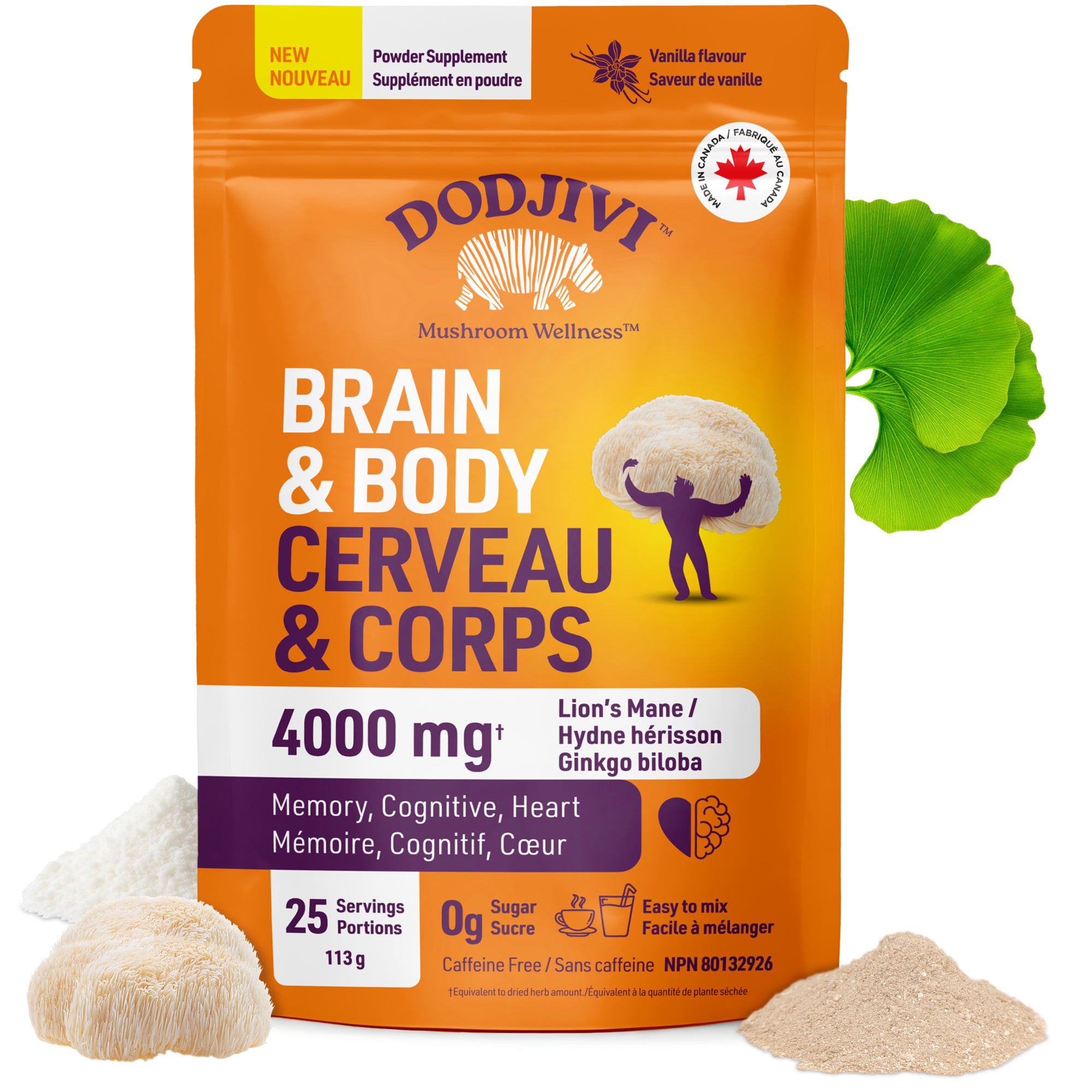

Mushroom coffee is everywhere right now, and the questions are always the same. Is it actually safe? Will it upset my stomach? Can I drink it while pregnant, or while I am on medication?
You deserve a straight answer, not a sales pitch. This guide covers what the research says about mushroom coffee safety, the side effects that are actually reported, and the specific groups of people who should talk to a doctor first. Some of this may cost us a sale. We would rather you drink it with confidence, or not at all.
The Short Answer
For most healthy adults, mushroom coffee is safe to drink daily. The mushrooms used in coffee blends (lion's mane, chaga, reishi) have long histories as food and are generally well tolerated in studies.
The real risks are not dramatic. They are specific:
- Mild digestive upset when you first start
- Allergic reactions if you are allergic to mushrooms
- Possible interactions with certain prescription medications
- Not enough safety data for pregnancy and breastfeeding
If you take prescription medication, are pregnant or breastfeeding, or have a chronic health condition, speak with a healthcare professional before adding any functional mushroom product to your routine. That advice is not a legal formality. It is the honest state of the evidence.
What Is Actually in Mushroom Coffee?
Mushroom coffee is regular coffee blended with extracts from functional mushrooms. Most blends use some combination of lion's mane, chaga, reishi, cordyceps, and turkey tail. Some add other ingredients such as ginseng.
That means two things matter for safety: the coffee and the mushrooms. Let's take them in order.
Safety Point 1: The Caffeine
Mushroom coffee usually has less caffeine than regular coffee, because mushroom powder replaces part of the coffee. Dodjivi blends, for example, contain about 75 percent less caffeine than a standard cup.
That is generally a plus. Health Canada advises that healthy adults keep caffeine under 400 mg per day, which is roughly three 8 ounce cups of regular coffee. The Health Canada caffeine guidance also sets lower limits for other groups. People who may become pregnant or are pregnant are advised to stay under 300 mg per day.
Too much caffeine, from any source, can cause insomnia, headaches, irritability, and nervousness. A Health Canada advisory on caffeine notes that people who are sensitive to caffeine can feel these effects even at low doses.
What this means for you: a lower caffeine cup is easier on most people, but it is not caffeine free. Check the label and count it toward your daily total.
Safety Point 2: The Mushrooms
This is where the honest answers matter most. Here is what is known about each of the common ones.
Lion's Mane
Lion's mane has a strong safety record. Human trials have run for weeks to nearly a year without serious adverse events. The most commonly reported side effect is mild digestive discomfort (bloating, an upset stomach) in the first few days.
Two cautions. People with mushroom allergies can react to it. And because lab research suggests it may have mild effects on platelets and blood sugar, people on blood thinners or diabetes medication should check with their doctor first.
Chaga
Chaga is where the most important caution lives, and most brands never mention it.
Chaga is very high in oxalates. There are published medical case reports of kidney damage after long term, high dose chaga powder use. In one chaga oxalate kidney case report, a man developed end stage kidney disease after years of taking chaga powder daily for a skin condition. A second case of chaga related kidney injury involved a man taking 10 to 15 grams of chaga powder per day for three months.
Context matters enormously here. These were people consuming large amounts of concentrated chaga powder as a remedy, every day, for months or years. That is not the same as the amount in a cup of mushroom coffee. But it does mean one group should be careful:
If you have kidney disease, a history of kidney stones, or you are on a low oxalate diet, talk to your doctor before drinking chaga containing products.
Reishi
Reishi is generally well tolerated. Reported side effects are usually mild and include dry mouth, an upset stomach, and dizziness. Research summarized in a review of reishi safety and chemistry supports its use as a functional food, while noting that safety in specific populations still needs more study.
Reishi may also have mild blood thinning effects, so the same caution applies for people on anticoagulants or facing surgery.
Ginseng
Some blends (including Dodjivi Vitality) include ginseng. Panax ginseng is well tolerated in most clinical trials, but it does interact with a fair number of medications. A review of ginseng drug interactions flags warfarin, some antidepressants, and drugs processed by liver enzymes. High doses combined with caffeine may also cause jitters or raise blood pressure in some people.
The Bigger Point: Herb and Drug Interactions Are Real
Functional mushrooms are biologically active. That is the entire reason people take them, and it is also why they can interact with medication. A peer reviewed paper on the About Herbs database, maintained by Memorial Sloan Kettering Cancer Center, ranks chaga and reishi among the most searched supplements by patients and their clinicians, precisely because interactions matter.
"Natural" does not mean "inert."
Common Side Effects of Mushroom Coffee
Most people feel nothing unusual. When side effects do show up, they are usually mild and short lived:
- Stomach upset, bloating, or loose stools. Most common in the first week. Often caused by the fibre in mushroom extracts and usually settles.
- Headache. Sometimes caffeine withdrawal, if you switched from strong coffee to a low caffeine cup.
- Tiredness or a "flat" feeling. Same reason. Your body was used to more caffeine.
- Skin itching or rash. Rare, and a possible sign of a mushroom allergy. Stop and see a doctor.
The withdrawal effects are worth calling out, because people often blame the mushrooms when the real cause is a big caffeine drop. If you go from three strong coffees to one low caffeine cup overnight, you will probably feel it for a few days.
Who Should Avoid Mushroom Coffee (or Ask a Doctor First)
Be honest with yourself about this list.
Speak to a healthcare professional before drinking mushroom coffee if you:
- Are pregnant, breastfeeding, or trying to conceive. There is not enough safety data on functional mushroom supplements in pregnancy. Caffeine limits are also lower.
- Take blood thinners such as warfarin, or take daily aspirin. Several functional mushrooms may affect clotting.
- Take diabetes medication. Some mushrooms may lower blood sugar, which can stack with your medication.
- Take immunosuppressants, or have had a transplant. Mushroom compounds can affect immune signalling.
- Have kidney disease or a history of kidney stones. See the chaga and oxalate note above.
- Have a liver condition, or take medication processed by the liver.
- Have surgery scheduled. Many clinicians advise stopping supplements about two weeks beforehand.
- Have a mushroom allergy. This one is simple. Do not drink it.
- Have high blood pressure or a heart condition. Caffeine and ginseng both deserve a conversation with your doctor.
Children should not be given functional mushroom supplements without medical guidance, and caffeine limits for children are far lower than for adults.
How to Start Safely
If you are healthy and cleared to drink it, this is the sensible approach.
- Start with one cup a day, not three. Give your gut a week to adjust.
- Drink it in the morning at first, so you learn how it affects your sleep before you try an afternoon cup.
- Count your total caffeine across coffee, tea, cola, and energy drinks. Stay under Health Canada's daily guidance.
- Read the actual label. Look for the specific mushrooms, the amounts, and whether it uses fruiting body extract or cheaper mycelium on grain.
- Stop if something feels wrong. Rash, swelling, persistent stomach pain, or unusual bruising all mean stop and call a healthcare professional.
- Tell your doctor you are drinking it. Especially if you are on any prescription. Put it on the list with your medications.
Actionable Takeaways
- Mushroom coffee is safe for most healthy adults, and the usual side effects are mild digestive upset in the first week.
- Lower caffeine is a benefit for most people, but it is not zero caffeine. Track your daily total.
- Chaga is high in oxalates. If you have kidney issues, ask your doctor first.
- Blood thinners, diabetes medication, immunosuppressants, and upcoming surgery are all real reasons to check before you start.
- There is not enough data to call it safe in pregnancy or breastfeeding, so do not guess.
- Choose brands that tell you exactly what is in the cup and how much.
Frequently Asked Questions
Is mushroom coffee safe to drink every day? For most healthy adults, yes. Daily use is common and generally well tolerated. Start with one cup and see how you feel.
What are the side effects of mushroom coffee? The most commonly reported are mild stomach upset, bloating, and loose stools in the first week. Headache and tiredness can happen if you have cut your caffeine sharply. Allergic reactions are rare but possible.
Can I drink mushroom coffee while pregnant? There is not enough safety research on functional mushrooms during pregnancy. Speak with your healthcare provider. Health Canada also advises pregnant women to keep caffeine below 300 mg per day.
Does mushroom coffee raise blood pressure? Caffeine can raise blood pressure temporarily, and ginseng may do the same in some people. If you have high blood pressure, ask your doctor before drinking it.
Can I drink mushroom coffee if I take medication? Ask your pharmacist or doctor first, especially with blood thinners, diabetes medication, or immunosuppressants. Functional mushrooms are biologically active and can interact with drugs.
Is chaga bad for your kidneys? Chaga is high in oxalates, and there are published case reports of kidney damage in people who took large amounts of concentrated chaga powder daily for months or years. If you have kidney disease or a history of kidney stones, speak with your doctor before use.
The Bottom Line
Mushroom coffee is not a miracle, and it is not a hazard. It is a functional food that is safe for most healthy adults, with a small number of clear, specific cautions that deserve to be said out loud.
Know what is in your cup. Know your own health situation. Ask a professional if you are in one of the groups above. That is what safe use looks like, and any brand worth buying from should be willing to tell you the same thing.
This article is for information only and is not medical advice. Dodjivi products are not intended to diagnose, treat, cure, or prevent any disease. Please consult a qualified healthcare professional before making health related decisions.


